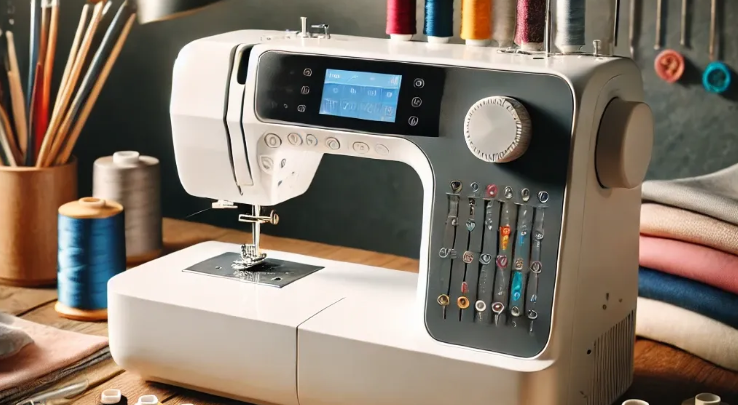
The development of the industrial sewing machine stands as a testament to human ingenuity and the relentless pursuit of efficiency in the manufacturing world. From its humble beginnings to modern advancements, this machinery has revolutionised the way the textile industry operates, shaping the future of fabrication.
The Roots of Sewing Innovation
In the past, the creation of textiles was a laborious task that required extensive human effort. The industrial revolution brought forth the first wave of mechanisation, laying the groundwork for the production systems we recognise today. Innovators sought to increase productivity by mechanising the repetitive actions of traditional sewing.
The Emergence of the Industrial Sewing Machine
Early prototypes of the industrial sewing machine were crude but represented a significant step forward. With further refinement, these machines quickly became essential for businesses looking to scale up their operations. The nascent technology provided a noticeable increase in the pace of production and the consistency of the stitches produced.
Enhancing Speed and Durability
Progress in metallurgy and precision engineering enabled these machines to operate at higher speeds without sacrificing durability. Heavy-duty materials and components were incorporated into their design, allowing them to withstand the rigours of intensive use while consistently maintaining their performance.
Introducing Automation
The introduction of computerised systems represented another quantum leap for the industry. Sophisticated electronic controls allowed for precise movements and intricate stitching patterns, which were once thought impossible. Automation also facilitated the mass production of complex garments, reducing the need for skilled labour.
Growing Focus on Ergonomics
As these machines became more advanced, attention turned to the human aspect of manufacturing. Ergonomically designed industrial sewing machines placed less strain on operators, leading to increased productivity and a lower incidence of repetitive strain injuries, marking a positive shift towards operator welfare.
Adapting to Modern Materials
The dynamic nature of the fashion and textile industries necessitated that these machines adapt to work with a variety of new, synthetic materials. Engineers worked diligently to make machines that could handle anything from delicate silks to rugged synthetics without compromising the integrity of the material or the quality of the stitch.
Customisation and Specialisation
The era of customisation has paved the way for machines tailored to specific tasks. Whether it’s denim, leather, or performance fabrics, there is a specialised machine designed to deliver optimum results, reflecting the industry’s movement towards specificity and technical perfection.
Environmental Considerations
In light of global sustainability concerns, the latest generations of industrial sewing machines have incorporated energy-efficient technologies. These innovations not only reduce the ecological footprint of textile production but also cut down on operational costs, marrying economic and environmental interests.
See also: The Essential Role of Technical Documentation Experts
The Smart Factory
As the concept of the ‘smart factory’ gains traction within the industry, data connectivity and integration are taking stage. The modern industrial sewing machine is often part of a networked ecosystem, where performance data can be monitored and analysed to streamline production processes and anticipate maintenance needs.
The Age of Interconnectivity and Internet of Things (IoT)
Interconnectivity has led to the development of sewing machines that can communicate with other devices and systems within the factory. IoT technology allows for real-time tracking and management of each machine, contributing to a seamless manufacturing environment.
Leveraging Artificial Intelligence
The integration of artificial intelligence (AI) into industrial sewing systems is one of the most exciting advancements on the horizon. AI-powered diagnostics and self-optimisation routines promise to enhance performance and extend the lifespan of these machines significantly.
Future Prospects and Innovations
The future of industrial sewing machines lies in their continuous evolution; designers and engineers relentlessly push the boundaries of what’s technologically possible. Smart textiles that change colour or pattern based on environmental stimuli may soon be produced on highly specialised machines equipped to handle such futuristic materials.
Closing Thoughts on a Time-Tested Tool
The humble sewing machine, once regarded as a modest tool, has ascended to its rightful place as the backbone of the textile industry. This remarkable evolution speaks to the relentless human pursuit of progress and precision crafting. The industrial sewing machine is not just a relic of the past, but a harbinger of a tech-driven and highly efficient future where the possibilities of what can be created are only limited by the imagination.
In sum, the evolution of the industrial sewing machine is an ongoing journey. From its early conception to the modern marvels we have today, it remains a key player in crafting the future of the textile and apparel industries. The seamless blend of technology with traditional sewing expertise heralds a new era for production, one that is faster, more efficient, and more creative than ever before.