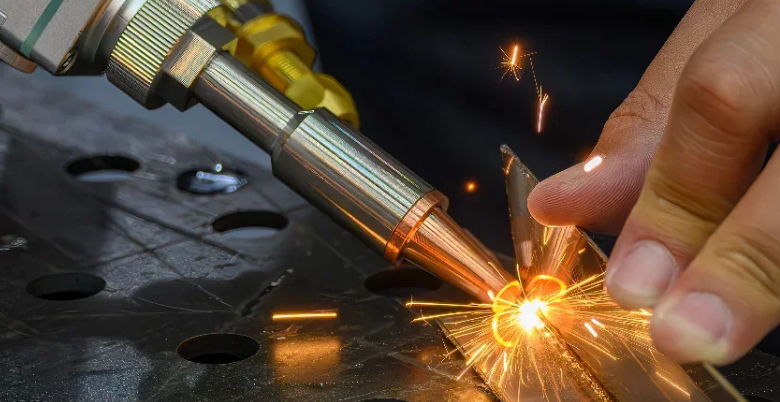
Handheld laser systems have become increasingly popular across multiple industries due to their portability, precision, and efficiency. As technology evolves, these compact devices provide power levels and capabilities once limited to large, stationary systems. From manufacturing to medical applications and research environments, handheld lasers are redefining how professionals achieve high accuracy in a mobile format.
In this comprehensive guide, we explore the benefits, applications, features, and advancements of handheld laser systems, along with best practices for choosing the right device.
What Are Handheld Lasers
Handheld lasers are portable laser devices designed for mobility, ease of use, and high performance. Unlike traditional laser machines that require large housings or fixed installations, these compact systems allow operators to perform tasks in diverse environments without sacrificing power output or laser quality.
Handheld lasers typically feature ergonomic designs, integrated cooling systems, and high performance systyem efficiency. Their increasing adoption highlights the demand for flexible solutions that maintain precision while improving workflow efficiency.
See also: Key Advantages of Modern Compact Vehicle DVR Technology
Key Advantages of Handheld Laser Systems
Portability and Flexibility
One of the biggest advantages of handheld lasers is their portability. These devices allow users to move freely and operate in tight or remote spaces. This is particularly valuable for fieldwork, repair tasks, and on-site inspections.
High Power in a Compact Format
Modern handheld laser systems often offer power levels comparable to larger machines. Improved diode efficiency, advanced cooling mechanisms, and compact optical designs enable high performance without bulky setups.
Precision and Accuracy
Handheld lasers deliver pinpoint accuracy, making them suitable for tasks that require clean, consistent results. Their stable beam quality supports applications in engraving, welding, cutting, and measurement.
Easy Operation
Manufacturers design handheld lasers with user-friendly controls, making them accessible to both experts and beginners. Simple interfaces, trigger-based activation, and lightweight bodies enhance usability.
Reduced Maintenance
Compared to traditional laser systems, handheld models require less maintenance. Many come with integrated cooling and self-protection features that extend the device’s lifespan.
Popular Applications of Handheld Laser Technology
Industrial Manufacturing
Handheld lasers are widely used for cutting, welding, engraving, and marking various materials such as metal, plastic, wood, and composites. They support precision operations while improving speed and efficiency.
Laser Cleaning and Surface Preparation
Laser cleaning is one of the fastest-growing applications. Handheld laser cleaners remove rust, paint, contaminants, and residues without damaging the underlying material. Their eco-friendly nature makes them a preferred alternative to chemical cleaning.
Medical and Healthcare
In medical settings, handheld laser devices are used for cosmetic treatments, minor surgeries, dental applications, and skin therapies. Their portability helps professionals deliver treatments with greater flexibility.
Research and Education
Portable lasers allow researchers and educators to demonstrate experiments more efficiently. Their compact form makes them ideal for labs with limited space.
Defense and Security
Handheld laser rangefinders and targeting systems assist in tactical operations. They offer fast, accurate measurements essential in critical environments.
Types of Handheld Laser Systems
Fiber Laser Systems
Fiber lasers are commonly used for cleaning, engraving, and marking. They are known for energy efficiency, high beam quality, and long operational life.
CO2 Laser Systems
These lasers are ideal for cutting and engraving nonmetals such as wood, acrylic, and leather. Handheld CO2 systems are less common but growing in demand.
Diode Laser Systems
Diode lasers are compact and ideal for portable applications. They are used in medical treatments, engraving, and light manufacturing tasks.
Green Lasers
Green handheld lasers are used in precision applications that require visibility and stability, such as scientific measurements and surveying.
Key Features to Look for in a Handheld Laser
Power Output
Choose a device that matches your application needs. Higher-power lasers are suitable for cutting, welding, and cleaning, while lower-power options work well for marking and measurement.
Battery Life or Power Source
Mobility depends heavily on battery efficiency. Look for long-lasting batteries or hybrid models that can run on both battery and direct power.
Cooling System
Efficient cooling ensures stable performance and prevents overheating. Air cooling is common in handheld devices, although higher-power models may require enhanced cooling.
Safety Features
Safety is essential when handling laser devices. Consider features like protective housings, automatic shutoff, beam locks, and safety goggles.
Weight and Ergonomics
Lightweight and ergonomically designed devices reduce fatigue and allow extended use without discomfort.
How Handheld Lasers Improve Workflow Efficiency
Handheld lasers streamline operations by reducing setup time, eliminating the need for large machinery, and allowing users to carry out tasks on-site. Their mobility reduces downtime, boosts productivity, and enables immediate intervention in industrial and operational environments.
Best Practices for Using Handheld Laser Systems
Always Wear Safety Gear
Laser goggles, gloves, and protective clothing help prevent accidental exposure.
Maintain Proper Distance
Follow manufacturer instructions to maintain safe working distances.
Inspect the Device Regularly
Check for wear, alignment issues, or dust accumulation.
Keep the Work Area Safe
Ensure the workspace is clear, well-ventilated, and free of reflective surfaces.
Future Trends in Handheld Laser Technology
Handheld laser systems continue to evolve with advancements such as:
- Higher power levels in smaller bodies
- AI-enabled precision control
- Improved battery technology
- Enhanced cooling and durability
- Integration with augmented reality for guided operation
These innovations are shaping a future where handheld lasers become essential tools across more industries.
Conclusion
Handheld lasers combine compact design with high performance, making them indispensable tools for professionals in manufacturing, healthcare, research, and more. Their portability, power, and versatility offer unmatched convenience while maintaining precise results. As technology advances, these systems will continue to redefine how industries use laser technology.