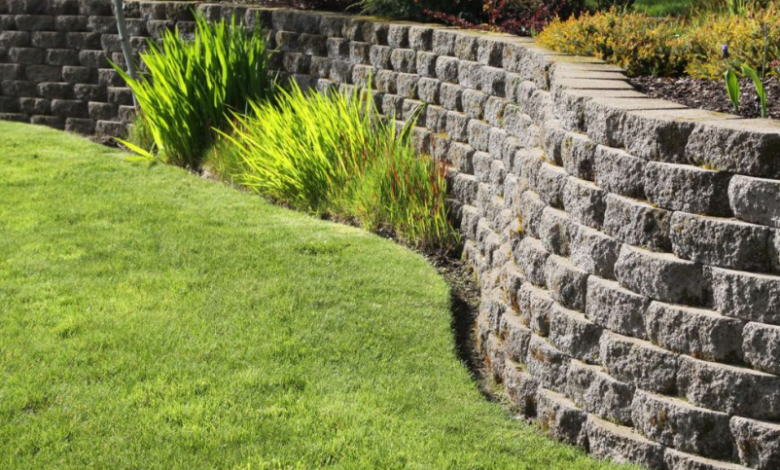
In modern construction and landscaping, the durability of soil-supported structures is crucial. Roads, embankments, retaining walls, and slopes all require careful attention to the interaction between soil and the materials used to reinforce it. Weak soil can lead to surface deformation, erosion, and structural failure. Addressing these challenges with engineered solutions ensures longer-lasting and safer outdoor spaces.
High-quality reinforcement materials help prevent high tensile stiffness geotextile movement, manage drainage, and distribute load efficiently. Among these, advanced geotextile solutions have become standard in civil engineering projects due to their versatility and strength.
Understanding Soil Stress and Reinforcement Needs
Soil exerts lateral pressure on any retaining or embankment structure. When moisture increases or loads are applied, this pressure grows, sometimes resulting in structural deformation. Common challenges include:
• Uneven soil settlement
• Increased water pressure behind walls
• Erosion of fine soil particles
• Loss of slope stability
Proper reinforcement is essential to distribute forces evenly and stabilize soil layers effectively.
What Makes Geotextile Materials Effective
Geotextile fabrics are engineered synthetic materials designed to improve soil behavior. They provide functions such as separation, filtration, reinforcement, and drainage. Their ability to interact with soil without altering water movement makes them highly effective for a variety of applications.
Among geotextile options, high tensile stiffness geotextile stands out for its ability to carry significant load without stretching excessively. This property ensures that soil retains its intended shape even under heavy stress.
Advantages of High Tensile Stiffness Geotextile
Improved Load Distribution
The primary advantage of high tensile stiffness geotextile is its ability to distribute loads efficiently. Unlike flexible materials that stretch under pressure, this type of geotextile maintains its shape and spreads forces across a wider area. This reduces localized stress points, which are often the starting points for structural failure.
Enhanced Soil Stability
By reinforcing soil layers, high tensile stiffness geotextile prevents soil from shifting or settling unevenly. This is especially important in embankments and slopes, where soil movement can lead to dangerous failures or costly maintenance.
Better Drainage Control
Despite its strength, this material allows water to pass through, preventing hydrostatic pressure buildup behind walls or embankments. Effective drainage reduces the risk of erosion and helps maintain the structure’s integrity over time.
Applications Across Different Projects
High tensile stiffness geotextile is versatile and can be applied in numerous civil engineering and landscaping projects.
See also: Rawrxtiana How to Stay Healthy While Working From Home
Road Construction and Pavement Reinforcement
In roadways, unstable subgrades can lead to rutting, cracking, and premature deterioration. Placing geotextile layers between subgrade soil and base material enhances load distribution and prolongs pavement life.
Retaining Walls and Slope Stabilization
Slopes and retaining structures benefit from the reinforcement provided by geotextiles. They stabilize soil, reduce lateral pressure, and prevent erosion, making walls safer and more durable.
Embankments and Bridges
Geotextiles are also essential in embankment construction for bridges and highways. They reinforce soil layers, support heavy vehicle loads, and minimize settlement, contributing to safer and more reliable infrastructure.
Installation Practices That Ensure Effectiveness
Even the most advanced geotextile materials can underperform if not installed correctly. Following proper installation guidelines is key to achieving desired results.
Site Preparation
The installation area should be cleared of debris, roots, and sharp objects. A level and smooth surface ensures maximum contact between the soil and geotextile layer, enhancing its effectiveness.
Correct Placement and Overlap
Geotextile layers should be laid flat and overlapped properly to prevent soil from bypassing the material. Secure anchoring ensures the fabric remains in position during backfilling or compaction.
Backfill and Compaction Techniques
Using clean, well-draining backfill material prevents clogging and maintains effective drainage. Compaction should be gradual to avoid overloading the geotextile, preserving its structural properties.
Durability and Longevity Benefits
High tensile stiffness geotextile is highly resistant to moisture, chemical degradation, and biological activity. Once installed correctly and protected from sunlight, it can perform effectively for decades. This longevity minimizes repair costs and ensures stable, long-lasting structures.
Cost Efficiency of Geotextile Reinforcement
While high tensile stiffness geotextile may add to initial project costs, it provides significant savings in the long term. By preventing soil failure, reducing maintenance needs, and extending the lifespan of structures, it delivers a strong return on investment.
It also allows engineers to optimize material use, as fewer layers or smaller structures may be needed to achieve the same level of stability.
Common Mistakes to Avoid
To maximize performance, it is important to avoid common errors:
• Choosing the wrong geotextile type for the project
• Poor surface preparation or debris removal
• Insufficient overlap or anchoring of geotextile layers
• Using low-quality backfill or improper compaction
Adhering to correct design and installation standards ensures consistent performance and durability.
Environmental Benefits
Geotextile reinforcement supports environmentally responsible construction. By reducing erosion and sediment runoff, it protects nearby waterways and land. Longer-lasting structures reduce the need for frequent repairs or replacements, minimizing material consumption and waste.
Final Thoughts
The success of soil-supported structures depends on proper reinforcement, drainage, and load management. High tensile stiffness geotextile provides significant advantages in terms of load distribution, soil stabilization, and drainage control. Its durability and versatility make it suitable for roads, slopes, retaining walls, and embankments.
By choosing the right geotextile material and following proper installation practices, engineers and landscapers can ensure structures remain stable, safe, and cost-effective for decades.
Investing in high-quality reinforcement solutions is a critical step toward building long-lasting outdoor and infrastructure projects that withstand the challenges of natural forces and environmental conditions.