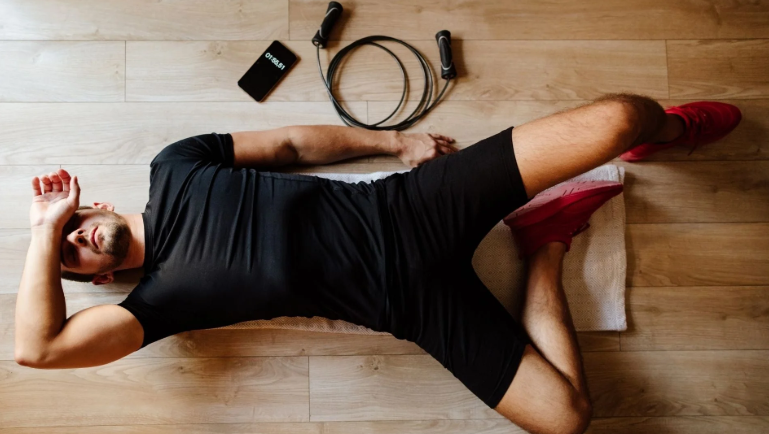
The keyword sobreentrenamiento refers to a condition athletes and fitness enthusiasts often overlook until it becomes a serious problem. While training hard is important for progress, pushing your body too far without proper recovery can lead to long-lasting physical and psychological damage. This comprehensive guide explains what sobreentrenamiento is, how to recognize it, and the best strategies to prevent and reverse it safely.
What Is sobreentrenamiento?
Sobreentrenamiento is a physical and mental state that occurs when training load exceeds the body’s ability to recover. It isn’t just “being tired.” Instead, it represents a deeper imbalance where muscular, hormonal, and neurological systems fail to bounce back from stress.
See also: Everything You Need to Know About Solar Installation in Columbus for Your Home
How sobreentrenamiento affects the body
When the body is overworked, muscle tissues break down faster than they can repair. Hormones like cortisol remain elevated, the nervous system becomes fatigued, and performance gradually decreases.
Normal fatigue vs true sobreentrenamiento
| Normal Fatigue | Sobreentrenamiento |
|---|---|
| Improves after 24–48 hours | Persists for days or weeks |
| Mild soreness | Chronic pain or tightness |
| Temporary drop in energy | Long-term performance decline |
| Motivated to train again soon | Loss of motivation |
Warning Signs and Symptoms of sobreentrenamiento
Identifying symptoms early can prevent weeks—or even months—of forced rest.
Physical symptoms
- Persistent muscle soreness
- Frequent injuries
- Elevated resting heart rate
- Reduced appetite
- Constant fatigue even after sleep
Mental and emotional symptoms
- Anxiety or irritability
- Lack of motivation
- Trouble concentrating
- Increased emotional sensitivity
Performance-related symptoms
- Loss of strength
- Reduced endurance
- Slower recovery after workouts
- Inconsistent or declining performance
Main Causes Behind sobreentrenamiento
Excess training intensity
High-intensity sessions performed too frequently overload the muscular and nervous systems.
Poor recovery habits
Lack of sleep, inadequate protein intake, dehydration, and insufficient rest between sessions directly contribute to sobreentrenamiento.
External life stress
Work pressure, emotional struggles, and lack of downtime add to physical stress, slowing recovery dramatically.
How to Prevent sobreentrenamiento (Complete Guide)
Smart training structure
Use periodization—planned cycles of intensity and rest—to avoid pushing too hard for too long.
Nutrition for optimal recovery
- Consume enough protein for muscle repair
- Prioritize complex carbohydrates for energy
- Include healthy fats for hormonal balance
- Ensure adequate micronutrients like magnesium, iron, and vitamin D
The power of quality sleep
Seven to nine hours of sleep each night helps regulate hormones, repair muscle tissues, and restore brain function.
Cross-training benefits
Mixing activities—like swimming, cycling, or yoga—reduces repetitive strain and improves overall athletic capacity.
Recovery Methods for sobreentrenamiento
Active rest vs full rest
- Active rest: light walking, stretching, or mobility work
- Full rest: no training at all, ideal for more severe cases
Stress-management techniques
Meditation, breathing exercises, journaling, and yoga help calm the nervous system and reduce cortisol.
Gradual return to training
Start with low-intensity sessions and slowly rebuild volume over several weeks.
Diagnosing sobreentrenamiento
Biometrics and heart rate monitoring
Tracking HRV (Heart Rate Variability) or resting heart rate provides insights into recovery and stress levels.
Daily self-tracking
Record mood, hunger, energy, sleep quality, and performance changes to detect patterns of fatigue.
Long-Term Consequences of Ignoring sobreentrenamiento
Chronic injuries
Untreated sobreentrenamiento can lead to tendinitis, muscle tears, and stress fractures.
Hormonal imbalance
Prolonged cortisol elevation weakens immunity, slows metabolism, and disrupts sleep cycles.
Sample Weekly Plan to Avoid sobreentrenamiento
| Day | Focus | Intensity |
|---|---|---|
| Monday | Full-body strength | Moderate |
| Tuesday | Light cardio | Low |
| Wednesday | Strength + mobility | Medium |
| Thursday | Active recovery | Low |
| Friday | High-intensity training | High |
| Saturday | Recreational activity | Medium |
| Sunday | Full rest | — |
FAQs About sobreentrenamiento
1. How long does recovery from sobreentrenamiento take?
Anywhere from several days to a few weeks, depending on severity.
2. Can beginners experience sobreentrenamiento?
Absolutely—especially when following routines that are too advanced.
3. Does sobreentrenamiento weaken the immune system?
Yes, prolonged stress reduces immune response.
4. Should I stop training completely if I suspect sobreentrenamiento?
Reduce intensity immediately; severe symptoms require full rest.
5. Can caffeine worsen sobreentrenamiento?
Excess caffeine overstimulates the nervous system, making recovery harder.
6. Where can I learn more about safe training recovery?
A helpful resource is: https://www.healthline.com
Conclusion
The keyword sobreentrenamiento describes a condition that can seriously impact performance, health, and long-term progress if ignored. By recognizing early symptoms, balancing training with recovery, managing stress, and practicing smart periodization, athletes can stay strong, healthy, and consistent on their fitness journey.