Introduction
Modern agriculture focuses not only on high yields but also on sustainable practices that preserve soil health. Fertilizers play a crucial role in providing essential nutrients to crops, but choosing the right type is equally important. Natural fertilizers offer an effective way to supply nutrients while improving soil structure and supporting long-term productivity.
Fertilizer manufacturers are increasingly developing solutions that balance nutrient delivery with environmental responsibility. These approaches help farmers optimize crop growth, reduce chemical dependency, and maintain soil vitality over multiple seasons.
The Role of Nutrient-Rich Organic Fertilizers
Organic fertilizers contain naturally occurring nutrients that plants can absorb gradually. Unlike synthetic alternatives, they release nutrients slowly, promoting efficient uptake and reducing the risk of over-fertilization.
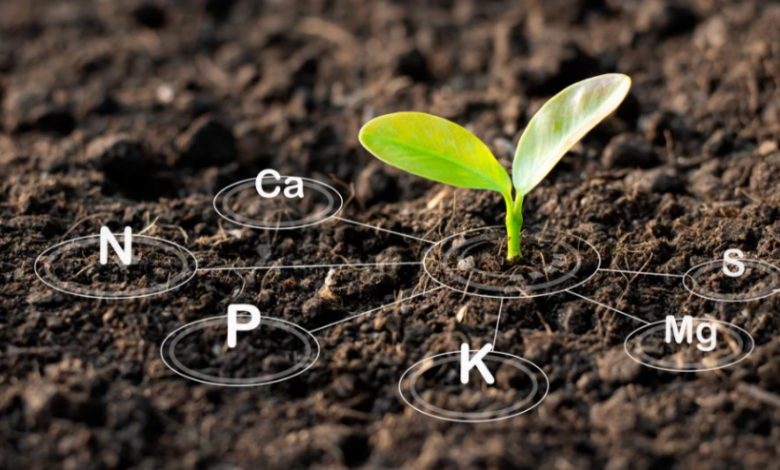
These fertilizers not only supply essential macronutrients like nitrogen, phosphorus, and potassium but also support soil microbial activity. Healthy microorganisms enhance nutrient cycling, improve soil aeration, and boost overall plant health.
Benefits of Incorporating Natural Fertilizers
Using natural fertilizers provides several advantages for both crops and soil:
- Gradual nutrient release for steady plant growth
- Improved soil structure and moisture retention
- Enhanced microbial diversity and activity
- Reduced risk of chemical runoff and environmental harm
Fertilizer manufacturers integrate these benefits bonemeal fertilizer into their product designs, providing solutions suitable for a wide range of crops and soil types.
How Fertilizers Influence Soil Health
Soil is a dynamic environment, and its chemical and physical properties determine nutrient availability. Fertilizers influence soil in several ways:
Enhancing Nutrient Content
Fertilizers increase the availability of nutrients that may be deficient in the soil. Natural fertilizers contribute phosphorus, calcium, and other minerals essential for root development and fruit formation.
Supporting Soil Microorganisms
Beneficial microbes thrive in soils with organic matter. Fertilizers that support microbial life enhance nutrient transformation, making nutrients more accessible to plants over time.
Maintaining Soil Structure
Organic components improve soil aggregation, reduce compaction, and promote aeration. Well-structured soil allows roots to penetrate easily, improving water and nutrient uptake.
See also: Key Advantages of Modern Compact Vehicle DVR Technology
Practical Application in Crop Production
For effective crop nutrition, fertilizers must be applied according to crop needs, soil conditions, and growth stages. Over-application or improper use can harm both plants and soil.
Fertilizer manufacturers provide guidance on the correct dosage, timing, and methods of application to optimize results. Combining soil testing with fertilizer application ensures nutrients are delivered where they are needed most.
Environmental Advantages of Natural Fertilizers
Sustainable farming practices emphasize reducing chemical dependency and protecting ecosystems. Natural fertilizers reduce the risk of nutrient leaching, water contamination, and greenhouse gas emissions.
Using these fertilizers supports ecological balance while maintaining high crop productivity. This approach benefits both farmers and surrounding environments, promoting long-term sustainability.
Industry Trends and Innovations
The agriculture inputs industry is evolving to meet the demand for eco-friendly solutions. Fertilizer manufacturers are investing in research to improve nutrient efficiency, shelf life, and ease of application.
Products are increasingly tailored for specific crops, soil types, and climates. This precision helps farmers achieve optimal yields while maintaining soil health and reducing input costs.
Combining Fertilizers with Other Soil Amendments
Fertilizers are most effective when used alongside soil amendments that improve physical and chemical properties. Examples include:
- Compost to increase organic matter
- Mineral amendments to correct pH imbalances
- Mulches to conserve moisture and regulate temperature
Integrating these amendments enhances the benefits of fertilizers, creating a holistic soil management system.
Long-Term Benefits for Farmers
Adopting natural fertilizers and proper soil management practices provides long-term advantages:
- Consistent crop yields and high-quality produce
- Reduced input costs due to efficient nutrient use
- Improved soil fertility and structure for future seasons
- Lower environmental impact and enhanced sustainability
Farmers benefit from more resilient crops and healthier soils, which support productive farming for years to come.
Conclusion
Natural fertilizers are a vital component of modern, sustainable agriculture. By supplying essential nutrients gradually, supporting microbial activity, and enhancing soil structure, these fertilizers contribute to healthy crop growth and long-term soil productivity.
For the fertilizer manufacturing industry, developing and promoting natural nutrient solutions helps growers optimize yields while preserving the environment. Combining proper fertilizer application with comprehensive soil management ensures that crops thrive and farming remains sustainable for future generations.