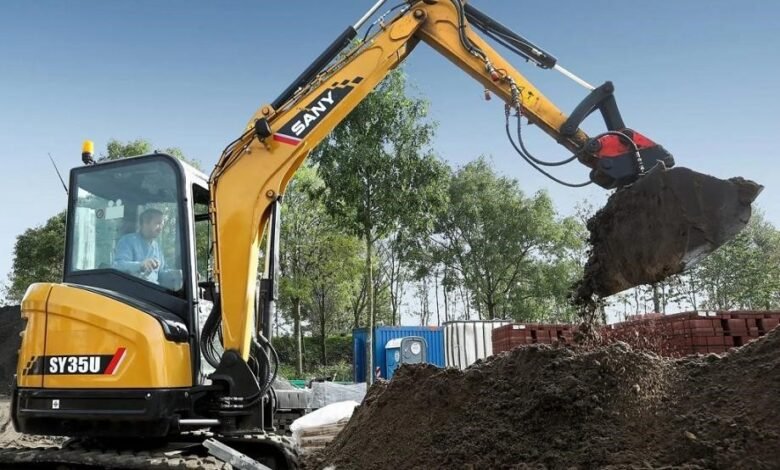
Selecting the ideal excavator for a specific project is crucial to efficiency and success. Construction sites have unique demands, and the right equipment can significantly reduce time and labor costs. Choosing an excavator involves weighing factors like project scope, equipment size, and attachment compatibility. This guide walks you through these critical considerations, helping you make informed decisions that align with your project’s needs. Avoiding common pitfalls, such as over- or undersizing equipment, ensures optimal performance. By understanding the various types of excavators available and when to use them, you can maximize productivity and ensure that your construction project runs smoothly and effectively.
Factors to Consider When Choosing an Excavator
Several elements influence the choice of an excavator. Each plays a crucial role in determining which model suits your project needs.
Project Scope and Requirements
The first step is assessing the project scope. Determine the tasks the excavator will perform, such as digging, lifting, or demolition. Each task requires a specific type of excavator. Large-scale projects might need robust machines capable of handling heavy loads. Conversely, smaller projects, like residential construction, might benefit from compact models with less power but greater maneuverability. Precision in defining your requirements will guide you toward an excavator with the necessary power and versatility. Ensuring the excavator matches your project’s scale avoids issues like inadequate reach or performance, which could delay progress.
Operating Weight and Size
Understanding the operating weight and size of an excavator is critical for efficiency and safety. Larger excavators offer more power and reach, making them suitable for substantial industrial projects. However, they can also impose restrictions, such as needing more space to operate safely. For projects with limited space, like urban developments or interior work, smaller machines offer better maneuverability. It’s essential to balance the machine size with job site constraints, considering ground pressure and accessibility to the work area. Opting for the correct size can greatly enhance operational smoothness.
Attachment Compatibility
Excavators often require various attachments to execute tasks beyond digging, such as trenching or material handling. Knowing the attachments your project needs is vital when selecting an excavator. Compatibility makes an excavator versatile, saving time and resources. Identify necessary attachments early—like buckets, thumbs, or augers—and ensure your chosen excavator can accommodate them. This forethought prevents unnecessary purchases or modifications, maximizing the machine’s versatility and value. Confirming attachment compatibility during the selection process aids in achieving project goals efficiently.
Types of Excavators and Their Best Use Cases
Different excavators cater to various project demands. Knowing each type will help you choose the right one for your tasks.
Mini Excavators
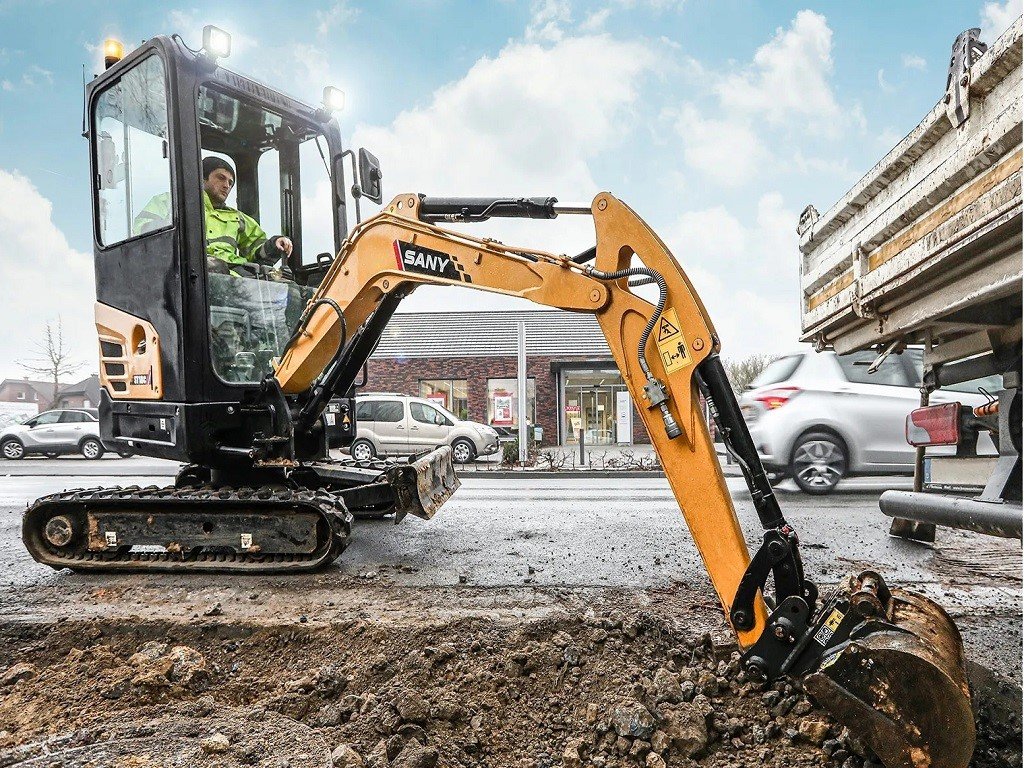
Mini excavators are ideal for projects requiring precision and nimbleness in tight spaces. Weighing between one and ten tons, these machines offer excellent maneuverability, suitable for urban or residential projects. Their compact design allows operators to navigate confined areas with ease, performing tasks like trench digging or utility line installation. Despite their size, mini excavators deliver impressive power, making them a preferred choice for projects with space constraints. Their lighter footprint reduces ground disturbance, which is crucial for delicate environments or existing infrastructures.
Standard Excavators
Standard excavators, ranging from 10 to 45 tons, are versatile machines suitable for many tasks. Their robust build and powerful engines make them perfect for large-scale projects like road construction or large earthmoving tasks. Featuring advanced hydraulic systems and a range of attachment options, these excavators can adapt to various job demands. Operators appreciate their reliability and balance of power, efficiency, and flexibility. Choosing a standard excavator ensures you have the capability to tackle a wide range of jobs, enhancing overall productivity on the job site.
Specialized Excavators
For highly specific tasks, specialized excavators offer targeted functionality. Examples include long-reach excavators for deep trenching or demolition excavators equipped with specialized tools for tearing down structures. These machines are designed for unique tasks where standard models might fall short. Investing in a specialized excavator guarantees maximum efficiency for niche projects. When a project demands specialized capabilities; these machines save significant time and effort, delivering performance tailored to specific challenges or environmental conditions.
Considerations for Choosing Between New and Used Excavators
When investing in an excavator, determining whether to buy new or used impacts your budget and project execution.
Cost and Financing
New excavators offer the latest technology and warranties but come with a higher price tag. They may be ideal for companies seeking the latest features and reliability. However, used excavators can be cost-effective, providing substantial savings. Look for well-maintained options with service histories to ensure quality. Financing options can offset initial costs, making new or used purchases feasible depending on budget constraints. Evaluating your financial position and project timeline aids in deciding the best acquisition route for long-term investment value.
Reliability and Maintenance
Reliability is critical, especially in demanding projects. New excavators promise fewer breakdowns and come with warranties, offering peace of mind. On the other hand, used excavators might entail more maintenance and potential downtime. It’s important to scrutinize their service history and condition before purchasing. Although used machines can be reliable, planning for maintenance costs is crucial. Balancing the upfront savings with potential repair expenses ensures you maintain operational efficiency without unexpected costs impacting your project.
Conclusion
Choosing the right excavator transforms project efficiency, enhances productivity, and reduces costs. Assess the project’s scope, size requirements, and attachment needs to make informed decisions on equipment suitability. Understanding the types of excavators and their applications allows for selecting the perfect fit for any task. Whether opting for new or used equipment, consider financial implications and maintenance impact. Making a well-thought-out choice supports seamless project execution and contributes to successful project outcomes. With informed decisions, your construction endeavours can proceed smoothly and efficiently, leveraging the full potential of the selected excavator.