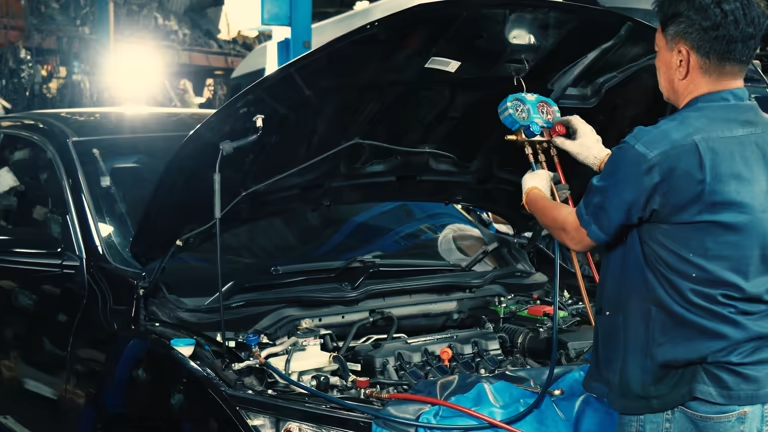
The AC system in your Volkswagen plays a major role in cabin comfort, especially during Australia’s hot summers. At the heart of this system sits the Volkswagen AC compressor, responsible for pressurising refrigerant and keeping cool air flowing throughout the vehicle. When the compressor begins to fail, the symptoms often start small—but ignoring them can lead to a complete AC breakdown and higher repair costs.
Recognising the early signs can save you time, money, and frustration. Below, we break down 10 early warning indicators that your Volkswagen’s AC compressor may be failing, and what you should do if you notice them.
1. Weak or Inconsistent Cooling
One of the first signs drivers notice is weak or fluctuating cooling. When the compressor can no longer maintain proper refrigerant pressure, the AC system fails to produce steady cold air.
You may feel:
- The air suddenly getting warmer during long drives
- Cold air turning lukewarm when idling
- Delayed cooling when starting the car
This issue is especially common in Volkswagen Golf, Passat, Tiguan, and Polo models. If your cooling performance has dropped, your Volkswagen AC compressor may be struggling to cycle refrigerant properly.
2. Strange Noises When the AC Turns On
A healthy compressor should operate quietly. But when internal components begin to fail, you may start hearing:
- Grinding
- Screeching
- Knocking
- Rattling
These noises usually indicate worn bearings, damaged pistons, or seized internal parts. In many VW models—especially older Polo, Jetta, and Tiguan units—compressor wear can occur earlier if the AC system hasn’t been serviced regularly.
If you hear odd noises when switching on your AC, consider having the compressor inspected.
3. Visible Refrigerant Leaks
Refrigerant leaks are another common problem that points to a failing compressor. You might notice:
- Oily spots under the car
- Stains around AC hoses or fittings
- Moisture around the compressor housing
Refrigerant carries oil that lubricates the compressor, so a leak can quickly lead to overheating and total failure. If you suspect a leak, it’s important to get the system checked immediately—running an AC system with low refrigerant can damage the compressor beyond repair.
4. AC Clutch Not Engaging
The AC clutch allows the compressor to turn on and off as needed. When the clutch fails, the compressor cannot engage fully, causing the AC to blow warm air.
Signs of clutch issues include:
- Clicking sound missing when AC is activated
- Compressor pulley spinning but not engaging
- Sudden drop in cooling performance
Clutch failure is common in VW models like the Golf Mk6 and Jetta, where electrical control faults or worn clutch plates often prevent proper engagement. If this happens, the clutch or the entire compressor assembly may need replacement.
5. Burning Smell From the Engine Bay
A failing compressor can create excess friction and heat. When this happens, you may notice a faint burning smell from the engine bay, especially when the AC is running.
This smell is often caused by:
- Overheating compressor bearings
- Slipping AC clutch
- Electrical overheating inside the compressor
Do not ignore this symptom—severe overheating can cause belt damage or complete compressor seizure.
See also: Key Advantages of Modern Compact Vehicle DVR Technology
6. AC System Frequently Cycles On and Off
Your AC system should operate in smooth cycles, but a faulty compressor may cause the system to switch on and off repeatedly within seconds.
This rapid cycling can be caused by:
- Blocked refrigerant flow
- Internal compressor wear
- Faulty pressure valves
- Overheating due to loss of lubrication
Cycling issues reduce cooling performance and place strain on other AC components, making early diagnosis important.
7. Reduced Airflow From the Vents
If the compressor is failing, refrigerant flow decreases, which reduces the system’s ability to cool the evaporator. As a result, airflow weakens even when the blower motor is functioning correctly.
Volkswagen models frequently affected include:
- Golf and Golf GTI
- Tiguan
- Polo
- Passat
While weak airflow can also indicate a clogged cabin filter or evaporator, a failing compressor often plays a major role.
8. Dashboard Warning Lights or AC Error Codes
Modern Volkswagen vehicles often display climate control or AC system warnings when a compressor problem is detected. You may notice:
- AC button flashing
- Climate control unit not responding
- Error codes related to refrigerant pressure or compressor regulation
Many VW compressors include a refrigerant control valve (RCV), which can fail and trigger fault codes. Ignoring these warnings risks complete AC failure.
9. AC Only Works While Driving
Some drivers notice that the AC cools only while the vehicle is in motion and stops cooling when idling. This is often caused by a weak or failing compressor that cannot maintain pressure at lower engine speeds.
This symptom is also common when the AC clutch is slipping or the compressor is losing efficiency due to internal damage. If cooling disappears at traffic lights but returns at higher speeds, your compressor may be the culprit.
10. Complete Loss of Cooling
The final and most obvious sign is when the AC no longer produces cool air at all. At this stage, compressor failure is often severe, and replacing the unit becomes necessary.
When a compressor fails completely, other components may also be contaminated with debris. This is why technicians often recommend replacing the receiver-drier, expansion valve, and flushing the system.
What to Do if You Notice These Warning Signs
If your Volkswagen shows one or more of these symptoms, it’s best to have your AC system inspected before the issue worsens. Continuing to use a failing compressor can lead to additional repair costs and further damage to your AC system.
Why Early Diagnosis Matters
AC compressors are among the most expensive AC components. Addressing problems early helps to:
- Extend compressor lifespan
- Prevent damage to hoses, condenser, and evaporator
- Reduce the likelihood of complete AC system failure
- Keep driving comfortable and safe
Volkswagen AC systems are sophisticated, and even minor issues can escalate quickly. Regular inspections and timely repairs are key to avoiding costly replacements.
Need Professional AC Help?
If your Volkswagen is showing any of the above symptoms, it’s best to book a professional assessment. Ozcool Auto provides reliable car AC inspection, compressor replacements, and full servicing.
👉 Check out Our Services here.
If you want expert guidance, quotes, or to schedule an appointment, you can reach the team directly:
👉 Contact Us
Conclusion
A failing Volkswagen AC compressor doesn’t always stop working immediately—most problems begin with small warning signs such as weak cooling, unusual noises, leaks, clutch issues, or overheating. Paying attention to these symptoms can help you prevent major repair bills and ensure your AC system performs reliably throughout the year.
If you notice any of the signs listed above, inspect your AC system as soon as possible and consider replacing the compressor with a reliable unit. And for trusted AC solutions, repairs, and high-quality parts, Ozcool Auto is always here to help.